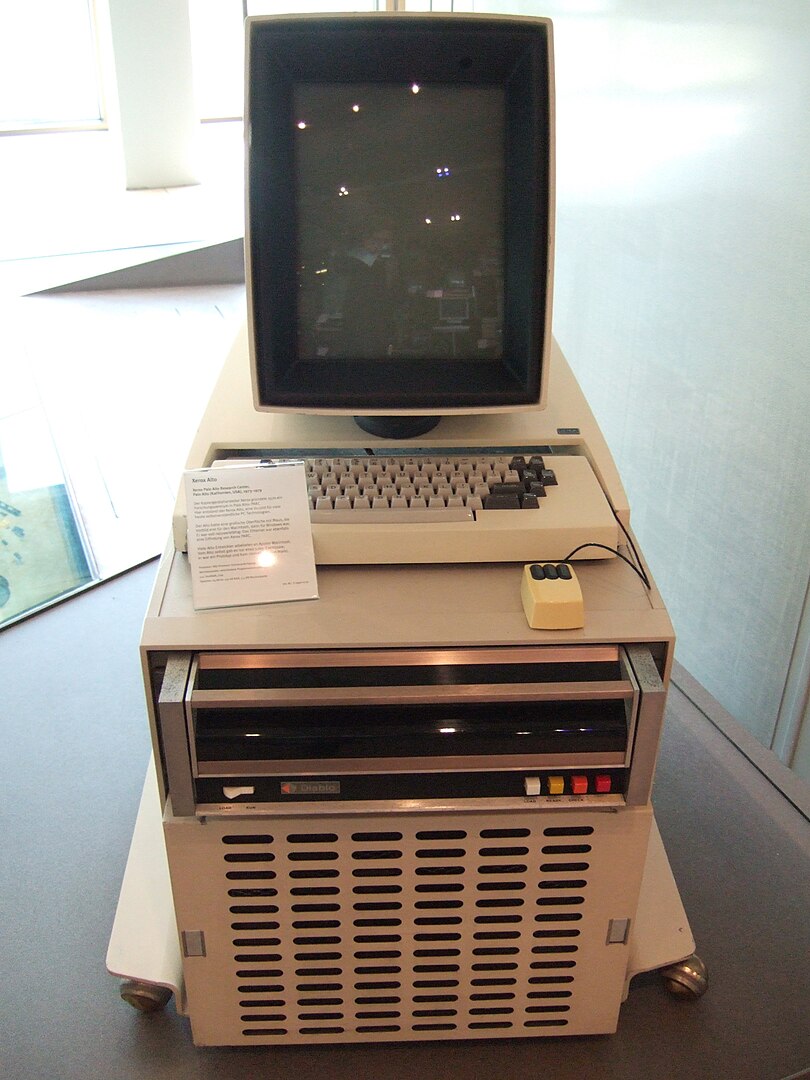
Xerox Alto

Xerox Alto

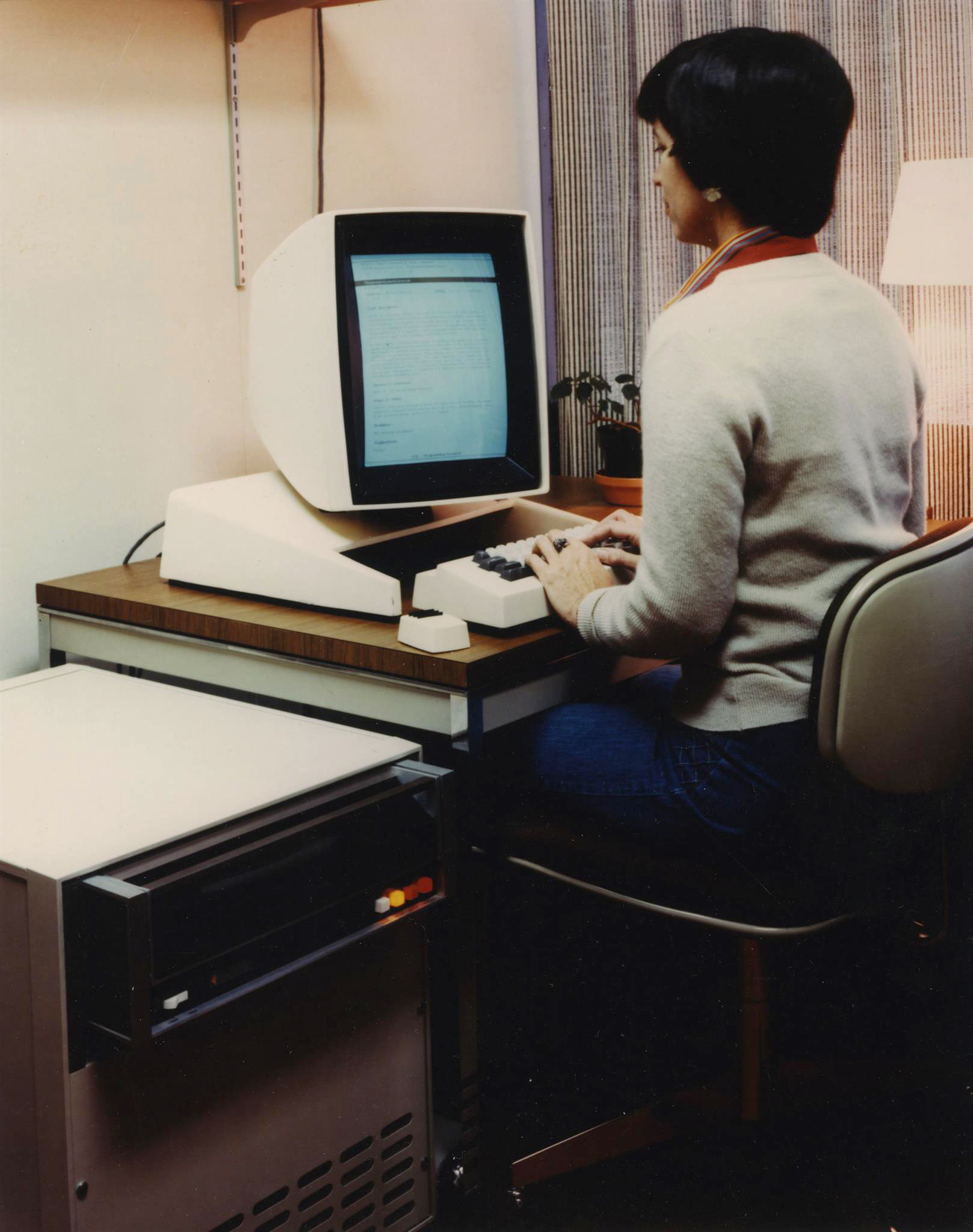
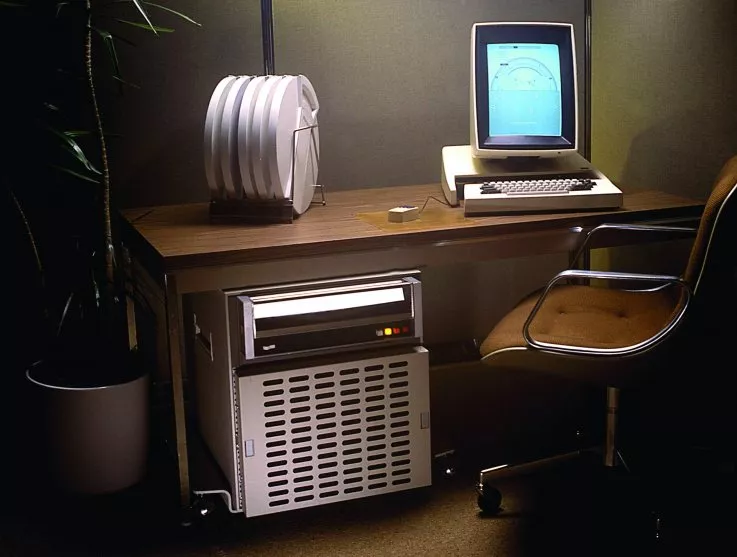
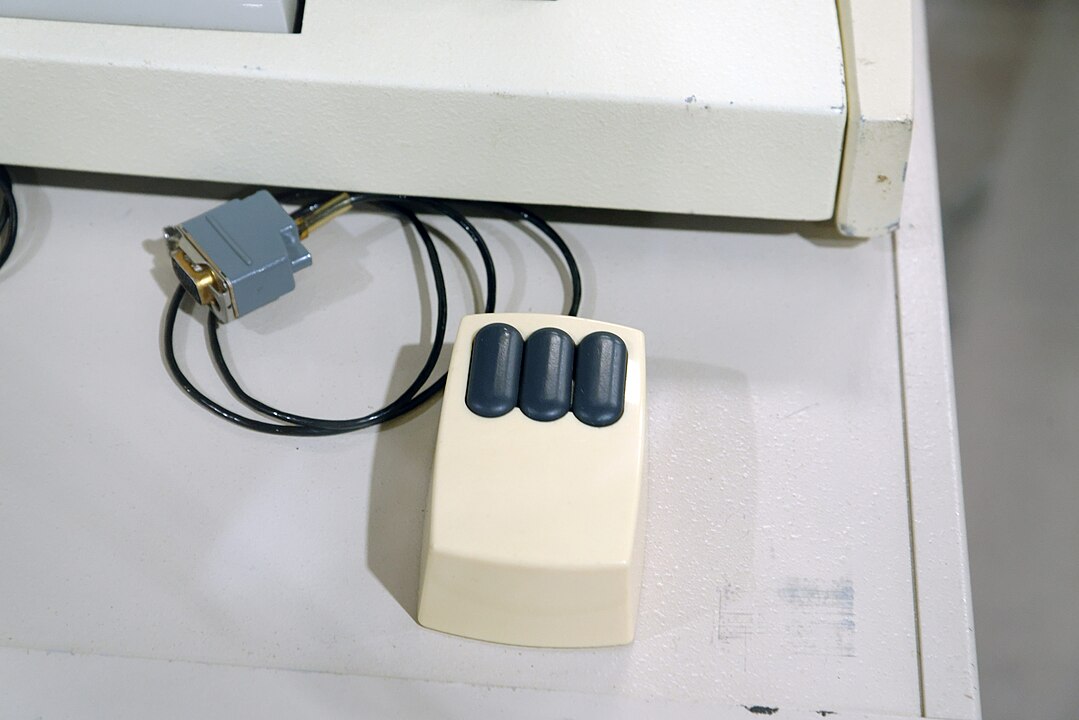
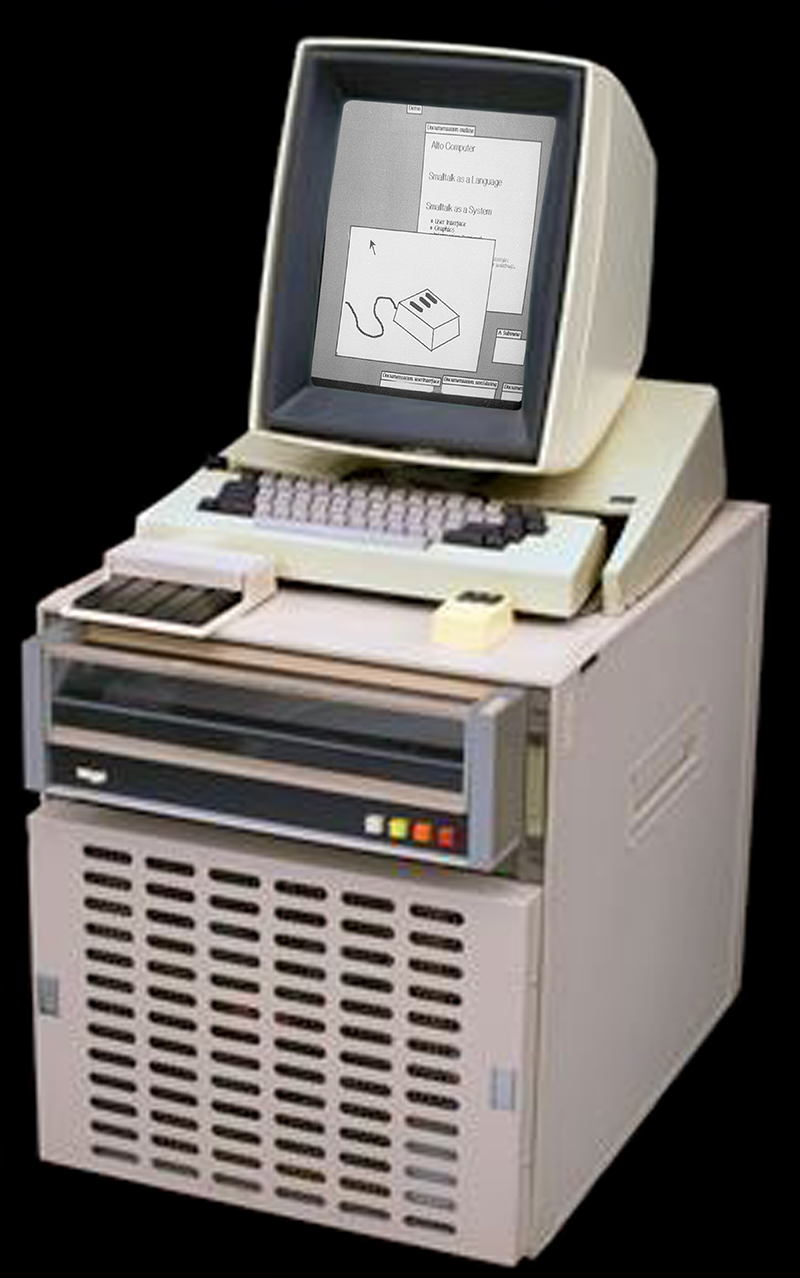
The Xerox Alto, developed by Xerox PARC in the 1970s, is arguably the first workstation computer. It was the first computer to use a graphical user interface for its operation system, it could run multiple applications at the same time, and it was the first modern computer to use a mouse. Although it was not commercially successful, it pioneered many features that dramatically influenced the development of modern computers.

Xerox Alto
As Apple prepared for a public stock offering, Xerox approached Apple with a proposal. In exchange for shares in Apple, Xerox PARC would provide a peek at some of its latest innovations. When Steve Jobs and his team visited Xerox PARC, they saw the Xerox Alto for the first time. Xerox PARC was a research center and many creative ideas originiated there. So it isn’t surprising that the Alto inspired the Apple team to introduce several of these features into upcoming Lisa and Macintosh systems. Because Xerox focused on copiers and machines for the business market, it wasn’t interested in selling into a new market it had no experience with. Apple, however, was poised to take the ideas Jobs saw at PARC and create machines for consumers.
The Xerox Alto had a unique architecture. Rather than a distinct central processing unit with a system bus to connect to storage and peripherals, the Alto arithmetic logic unit interacts directly with memory and peripherals. For example, each key on the Alto keyboard stands for a separate bit in a set of memory locations. This feature made it possible to read multiple key presses at the same time. By holding down specific keys, different operations were loaded. However, sometimes there were too many key presses needed for an operation and users didn’t have enough fingers to press all of them at the same time. This led to the term, “nose boot,” which suggested that users employ their noses when they run out of available fingers.

IMAGES