
Saturn V Launch Vehicle Digital Computer

Saturn V Launch Vehicle Digital Computer

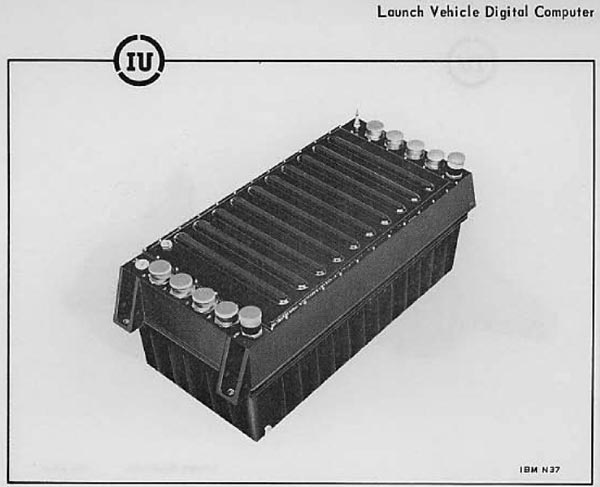
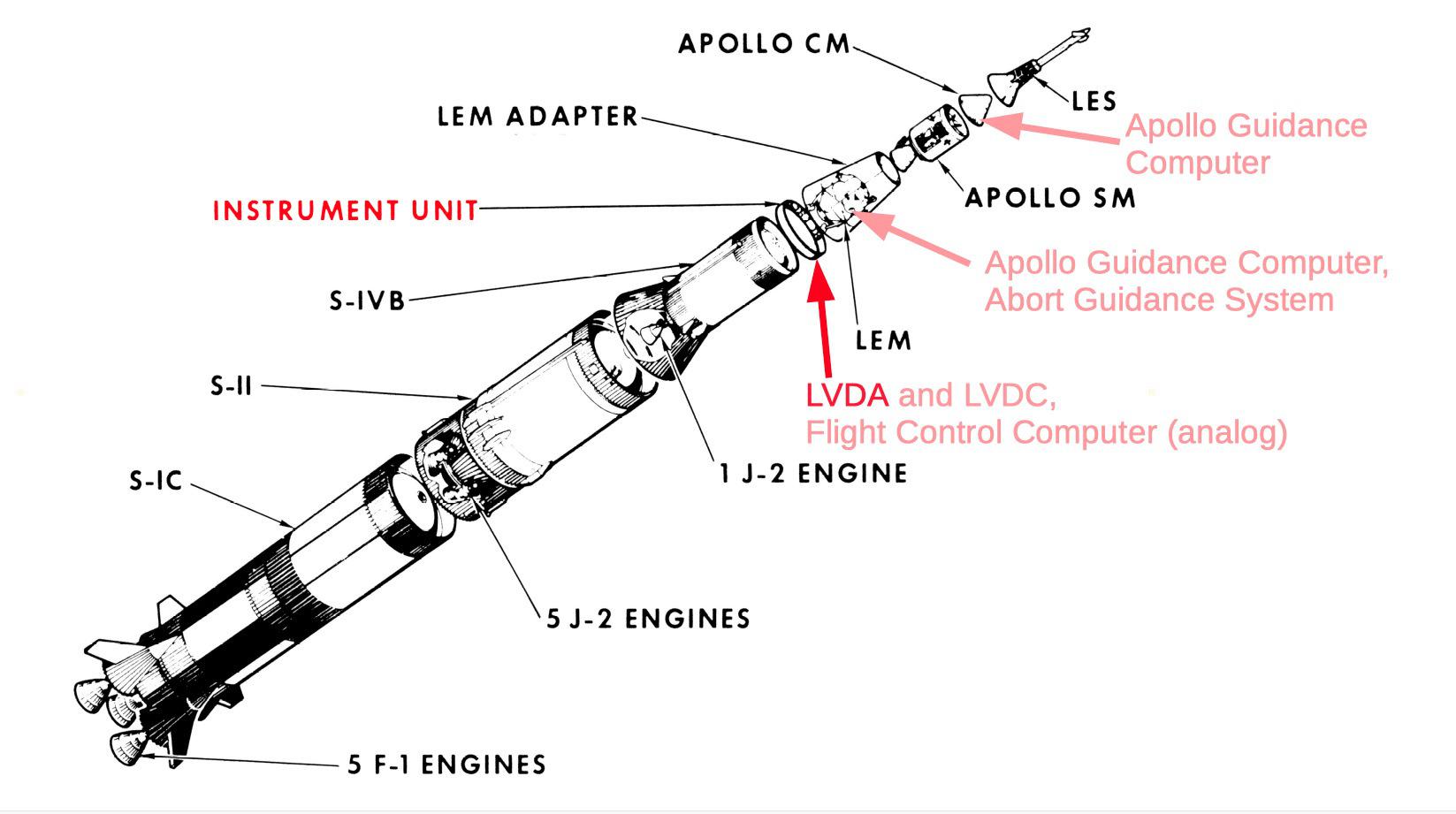
The brains for the Saturn V rocket sat in a three-foot tall and 21-foot diameter ring mounted on top of the rocket’s third stage.
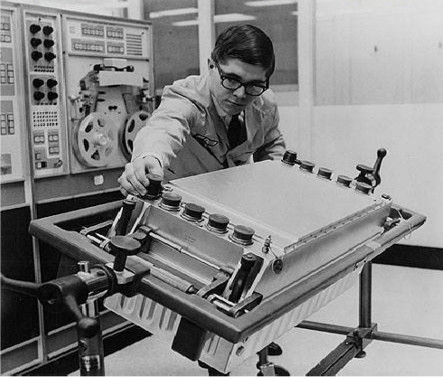
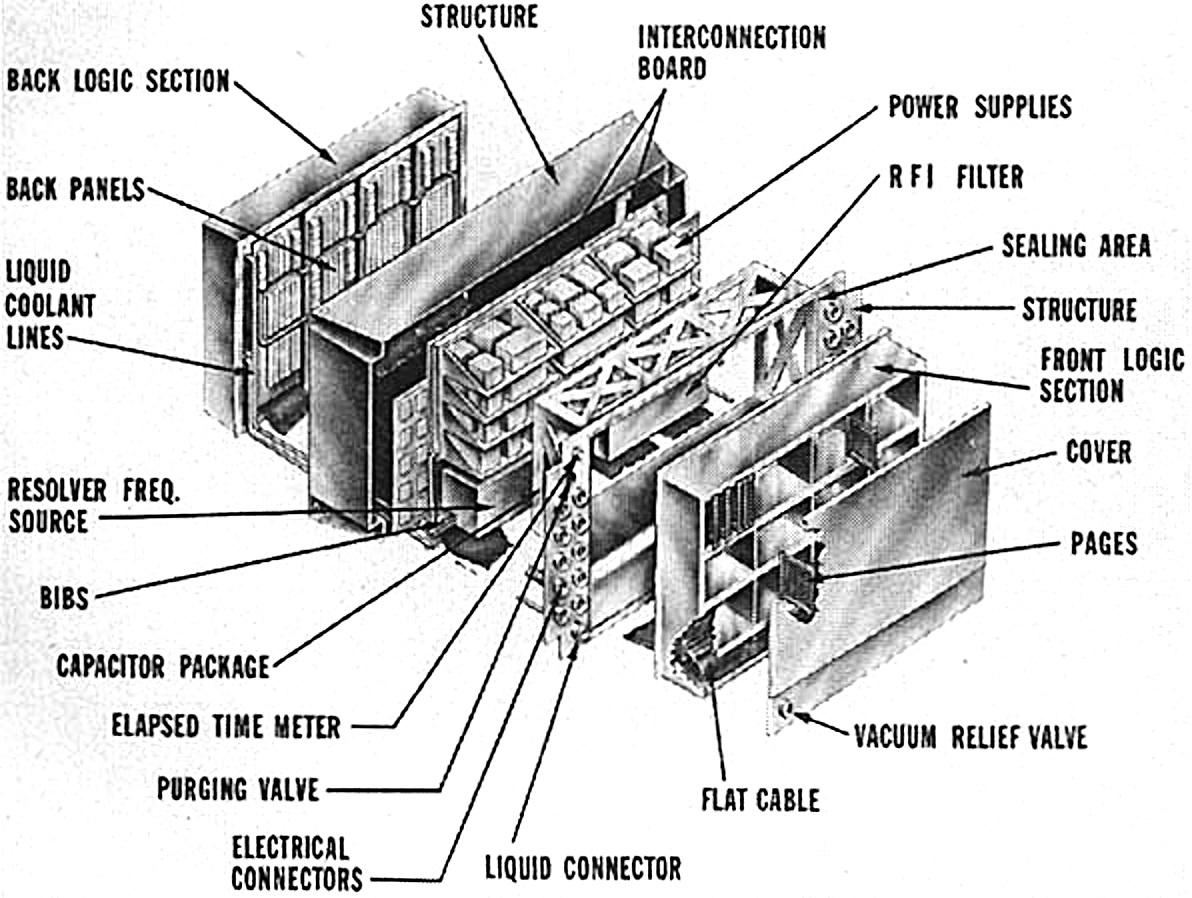
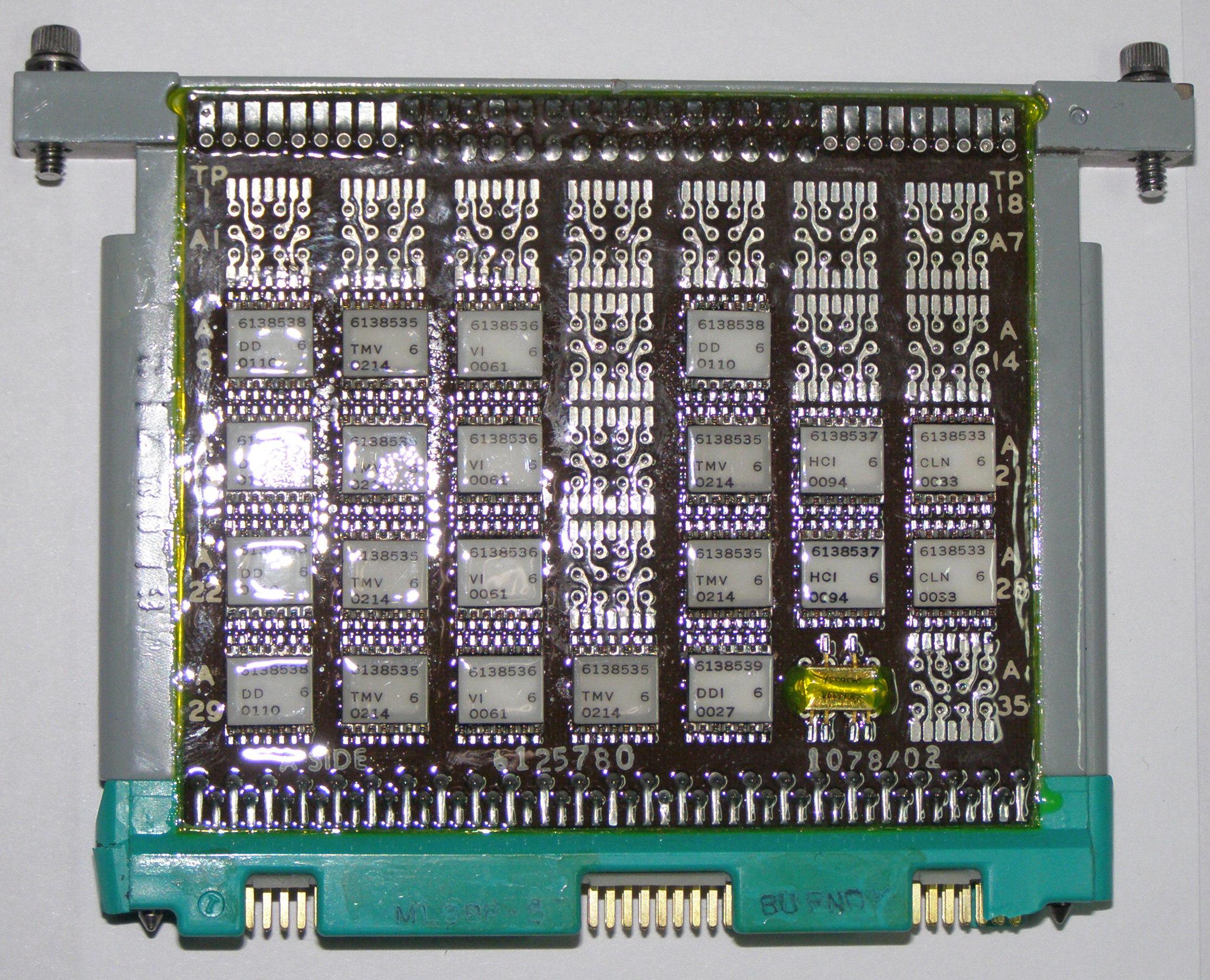
The IBM Federal Systems Division designed the Lunar Vehicle Digital Computer (LVDC) to help steer the rocket from launch to Earth orbit insertion.
It connected with the Launch Vehicle Data Adaptor, which handled input signals from the launch vehicle sensors.
In these early days of computers, few engineers knew how to interact with computers, so the LVDC operated without astronaut input.

Saturn V Launch Vehicle Digital Computer

In the 1960s, most computers occupied entire rooms. In comparison, using integrated circuits, the LVDC required very little space inside the rocket. Although the LVDC had no way for astronauts to interface with it, the LVDC was among the most sophisticated general-purpose computers at the time. The LVDC captured data from dozens of sensors, radar and Mission Control to keep the flight properly oriented and on course. In fact, the LVDC was part of a system capable of flying the whole mission on autopilot and updating astronauts in real time. It would not have been possible to get the Command Module and Lunar Module into space and directed toward the moon without it.
David Mindell, professor of the history of engineering and manufacturing at MIT summarizes the impact that computing had on space flight.
“The Apollo Guidance Computer was the first computer that people staked their lives on – a digital computer in the loop of the thing that they were flying. That was a very important moment of showing people that computers could be reliable and could be built into things.”

IMAGES

CHARTS

CLOSER LOOK