Cray XC 50

Cray XC 50

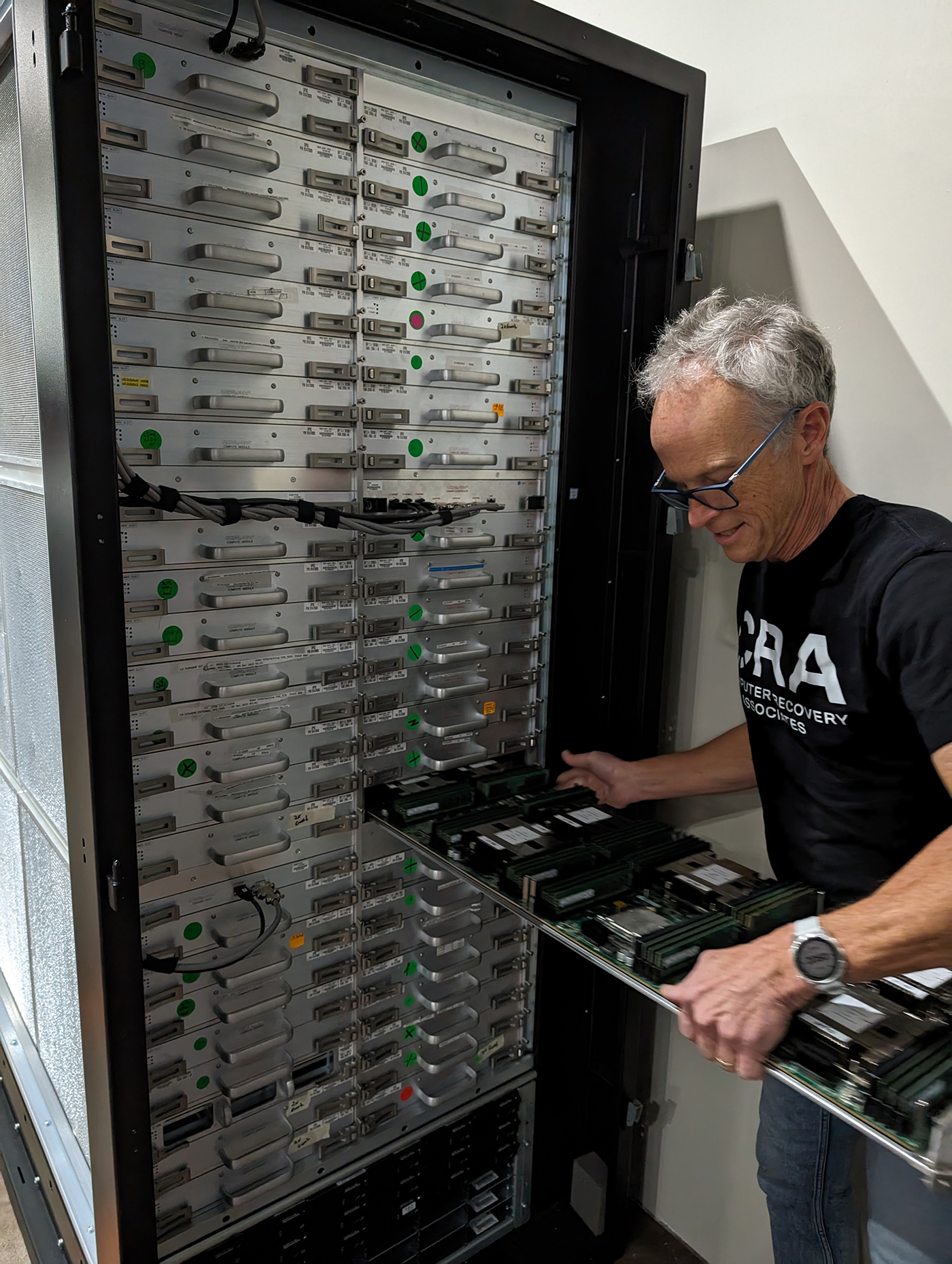
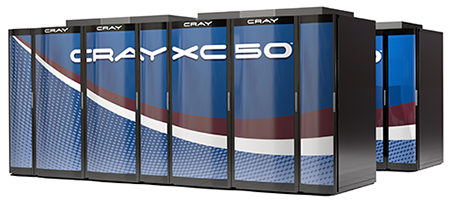
Released in 2016, the Cray XC50 was a massively parallel multiprocessor supercomputer that could deliver a petaflop of performance in a single cabinet. However, a supercomputer typically contains multiple connected nodes, and a Cray XC50 supercomputer properly configured could reach 500-petaflop performance. Multiple technologies combined to boost the performance of the Cray XC50, which was designed for optimizing machine learning workloads.

Cray XC 50
GPU Accelerators
The Cray XC50 supported NVIDIA Tesla P100 GPU and Intel Xeon and Xeon Phi processors as accelerators to speed up scientific computing tasks. Providing computational power much greater than traditional microprocessors, the Tesla GPU and Intel Xeon processors targeted the high-performance computing market. The Xeon Phi had an x86-compatible core that made it easier to run software that was originally designed for a standard x86 CPU.
Network Topology
The Cray XC50 employed a Cray-proprietary Aries interconnect in a Dragonfly topology, which was designed specifically for GPU-accelerated applications and found on some of the world’s fastest computers of the era. The Aries interconnect enabled multipoint communication where high node-to-node communication performance was crucial.

Solid State Drive (SSD) Support
The XC50 supported SSD storage, which was by then replacing traditional hard disk drives. Optional SSD-enabled DataWarp I/O accelerator technology improved performance by allowing software-defined provisioning of application data.
Specialized Environments
Enhancements to the Cray high-performance computing (HPC) optimized programming environment improved GPU performance. The tightly integrated Cray Linux Environment supported a wide range of applications.
Important Applications
The National Institutes for Quantum and Radiological Science and Technology in Japan selected a Cray XC50 supercomputer to tackle complex calculations specifically for nuclear fusion science. More than a thousand Japanese and European researchers received access to the system as part of a multinational R&D effort to study the potential of fusion energy.
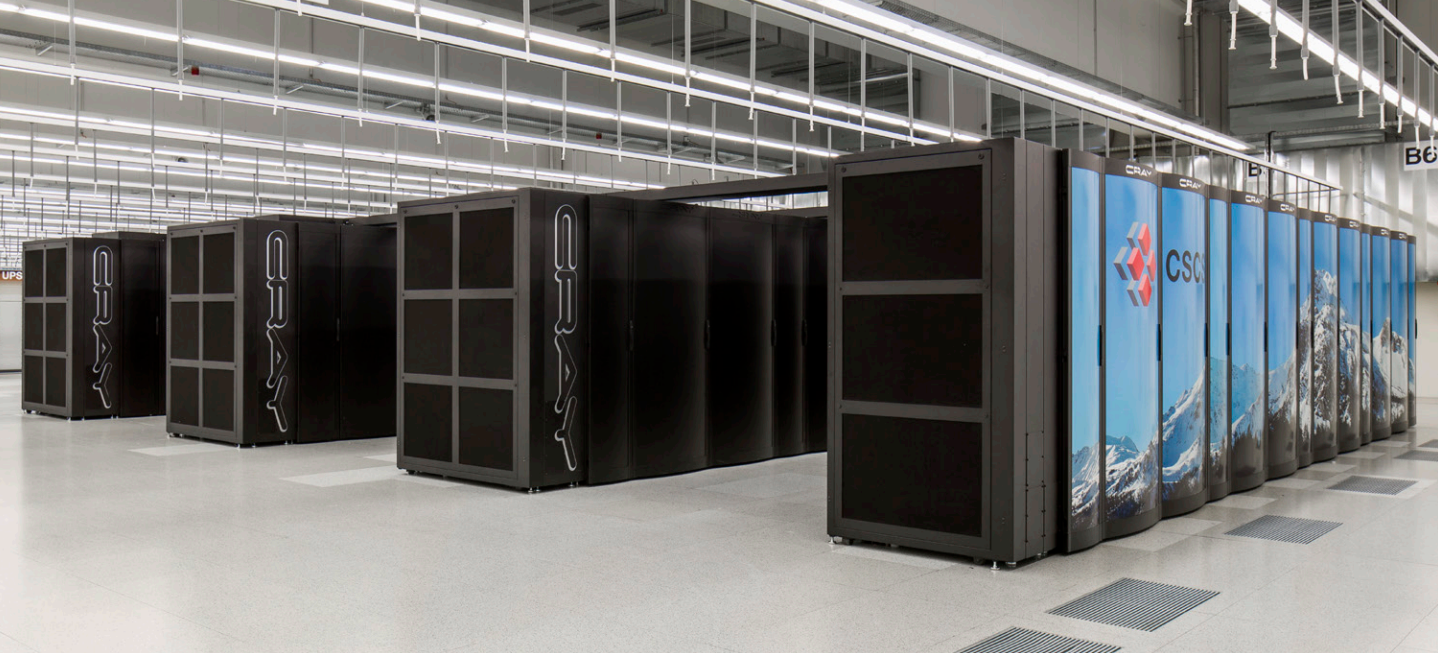
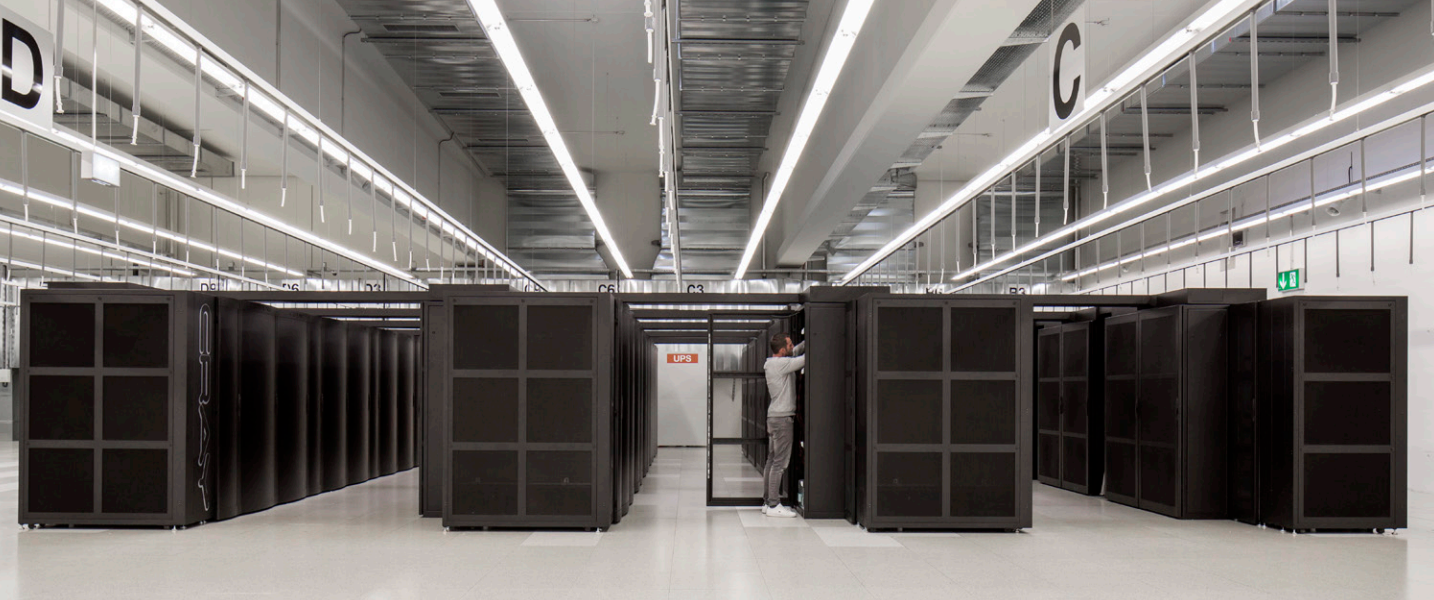
In 2016, the Swiss National Computing Center (CSCS) upgraded the “Piz Daint” supercomputer by adding a Cray XC50 to its Cray XC30. The upgrade involved replacing two types of compute nodes as well as the integration of a novel Cray technology called DataWarp. This technology quadrupled the bandwidth to and from storage devices, dramatically accelerating the data input and output of millions of small, unstructured files.

IMAGES