
Kenbak-1

Kenbak-1
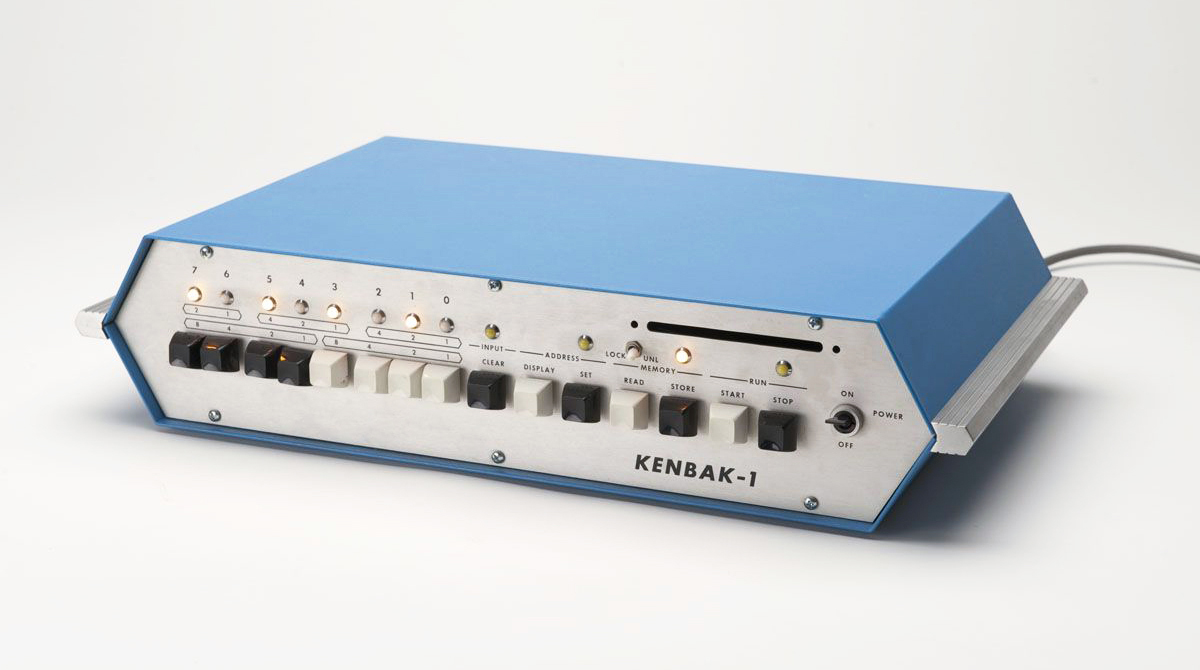
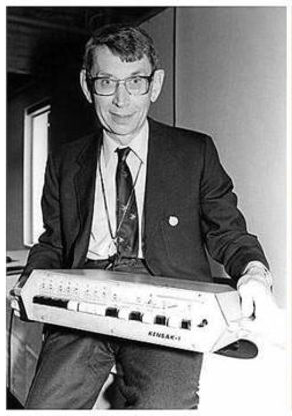
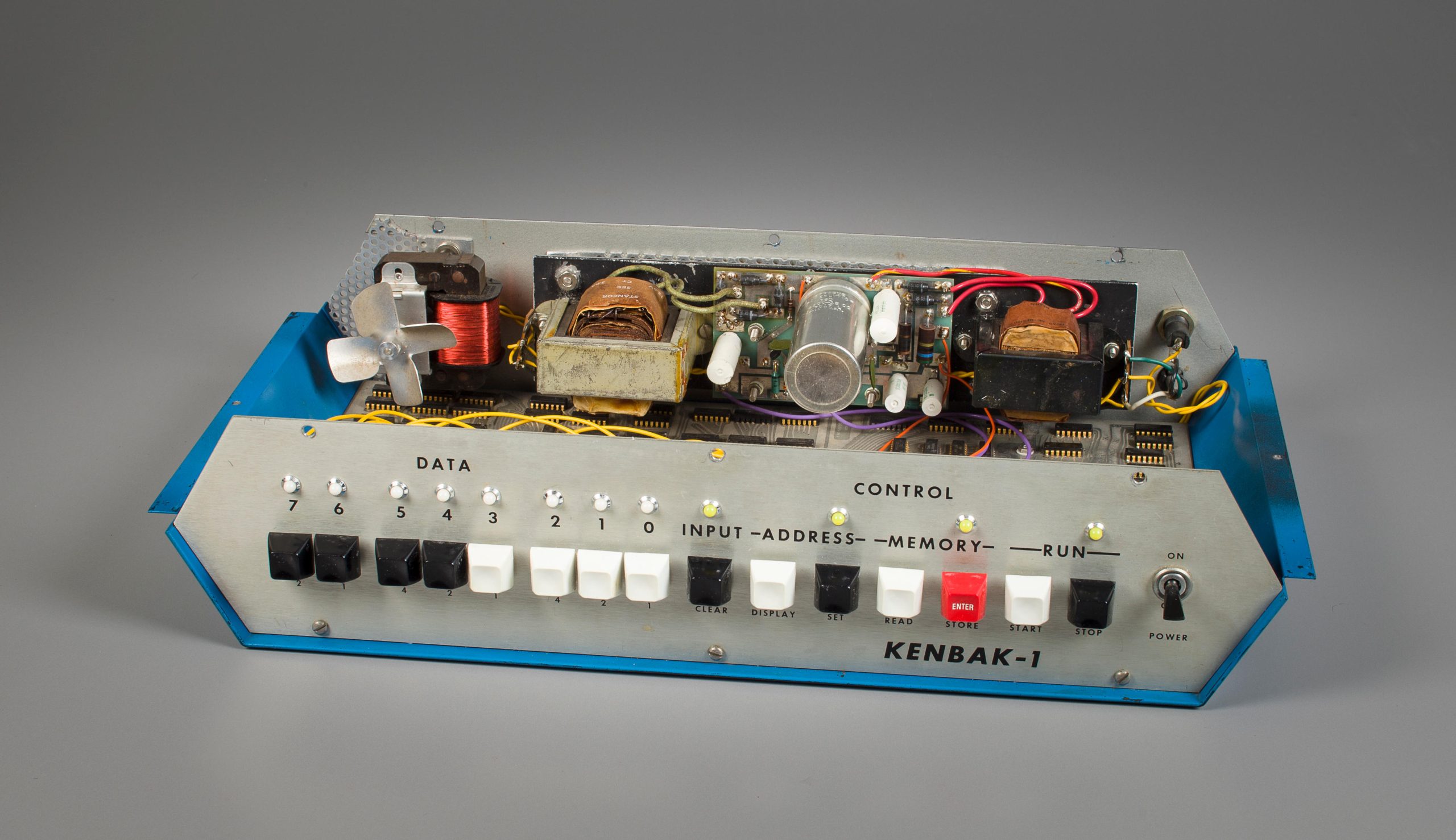
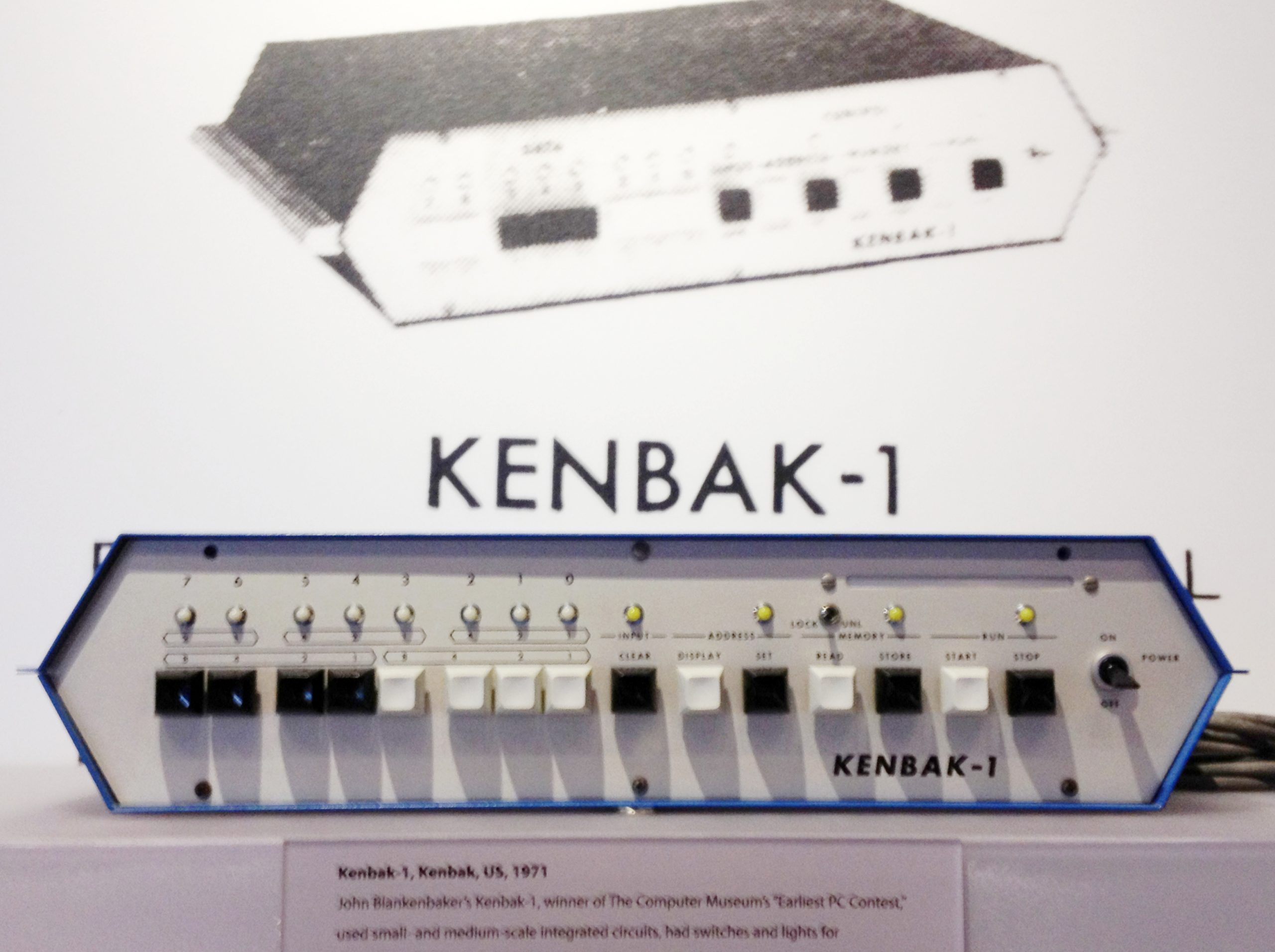
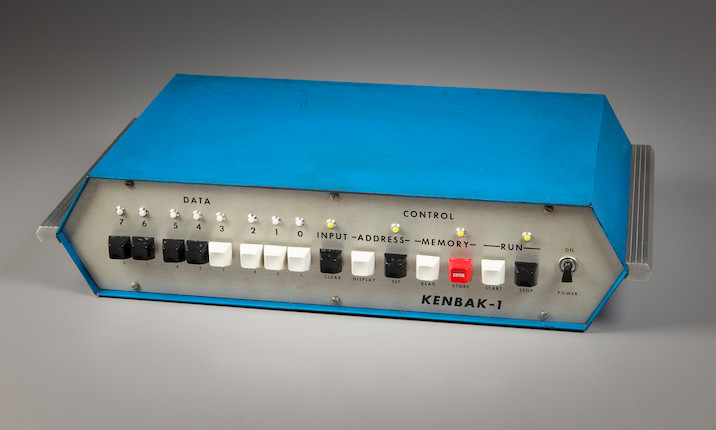
In 1971, inspired by room-filling government computers, John V. Blankenbaker designed, built, and marketed the Kenbak-1 as a simple, educational personal computer. In fact, many museums credit the Kenbak-1 as the first personal computer. It qualifies as a personal computer because its memory stored both programs and data according to the “Von Neumann architecture.” Users could input and receive output via switches and lights on the front of the machine and it was small and inexpensive.
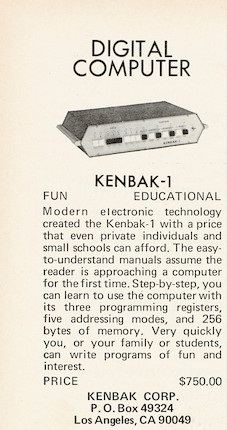
Although the Kenbak-1 was designed for educational use and sold through “Scientific American” and “Computerworld” magazines, only about 40 machines were ever sold. The machine never gained popularity because there weren’t many interesting programs for it, and writing games was too tedious for most novice users. It also performed poorly compared to other computers and the demand from educational institutions wasn’t as great as anticipated. The Kenback Corp. folded in 1973.

Kenbak-1
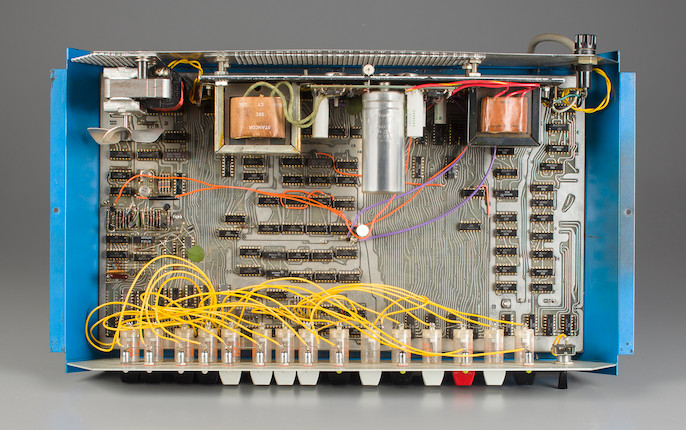
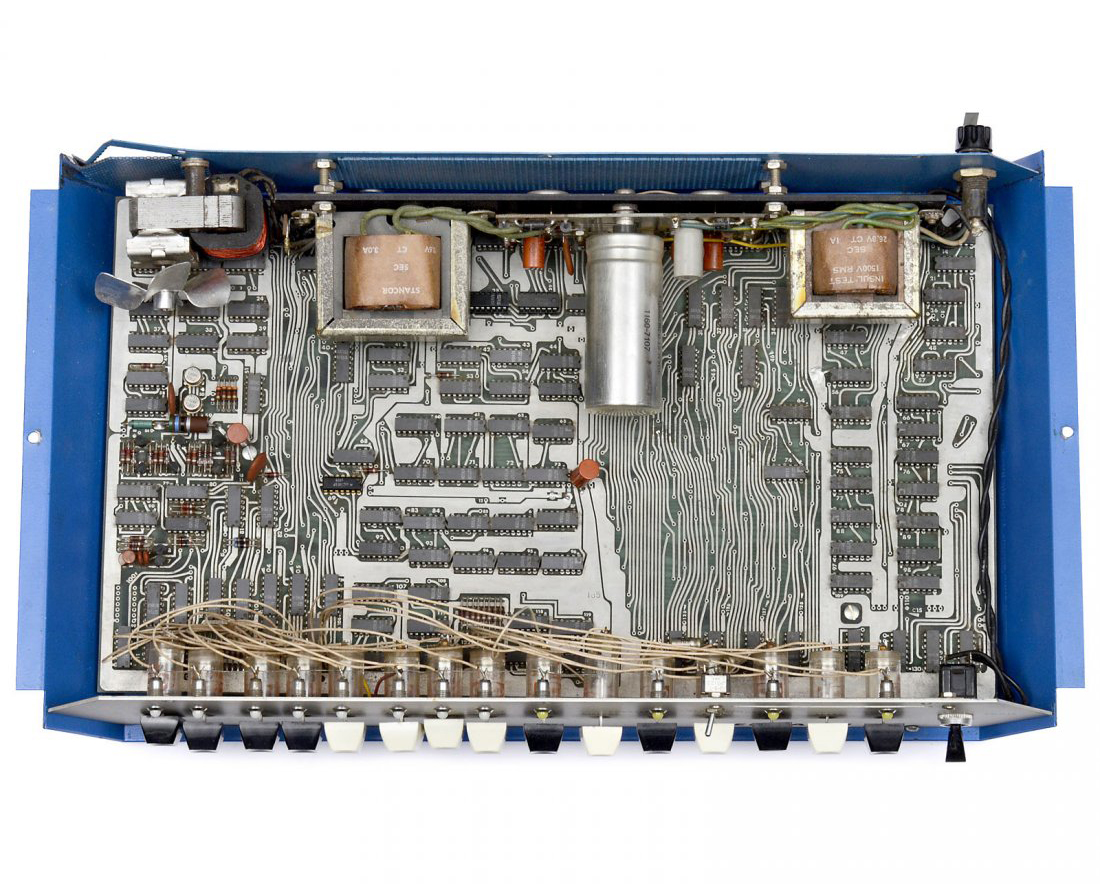
Kenbak-1 became the first commercially available personal computer to use the Von Neumann architecture and it could conduct many different tasks through stored programs. The Kenback-1 relied on transistor-transistor logic chips because microprocessors were not available at that time. With no monitor, keyboard, mouse, or disk drive, users created programs using machine code and used a series of buttons and switches to enter and run the programs. A series of lights served as the output. This 8-bit machine relied on a serial computer architecture. It processed one bit at a time and featured 256 bytes of memory.

IMAGES

CLOSER LOOK