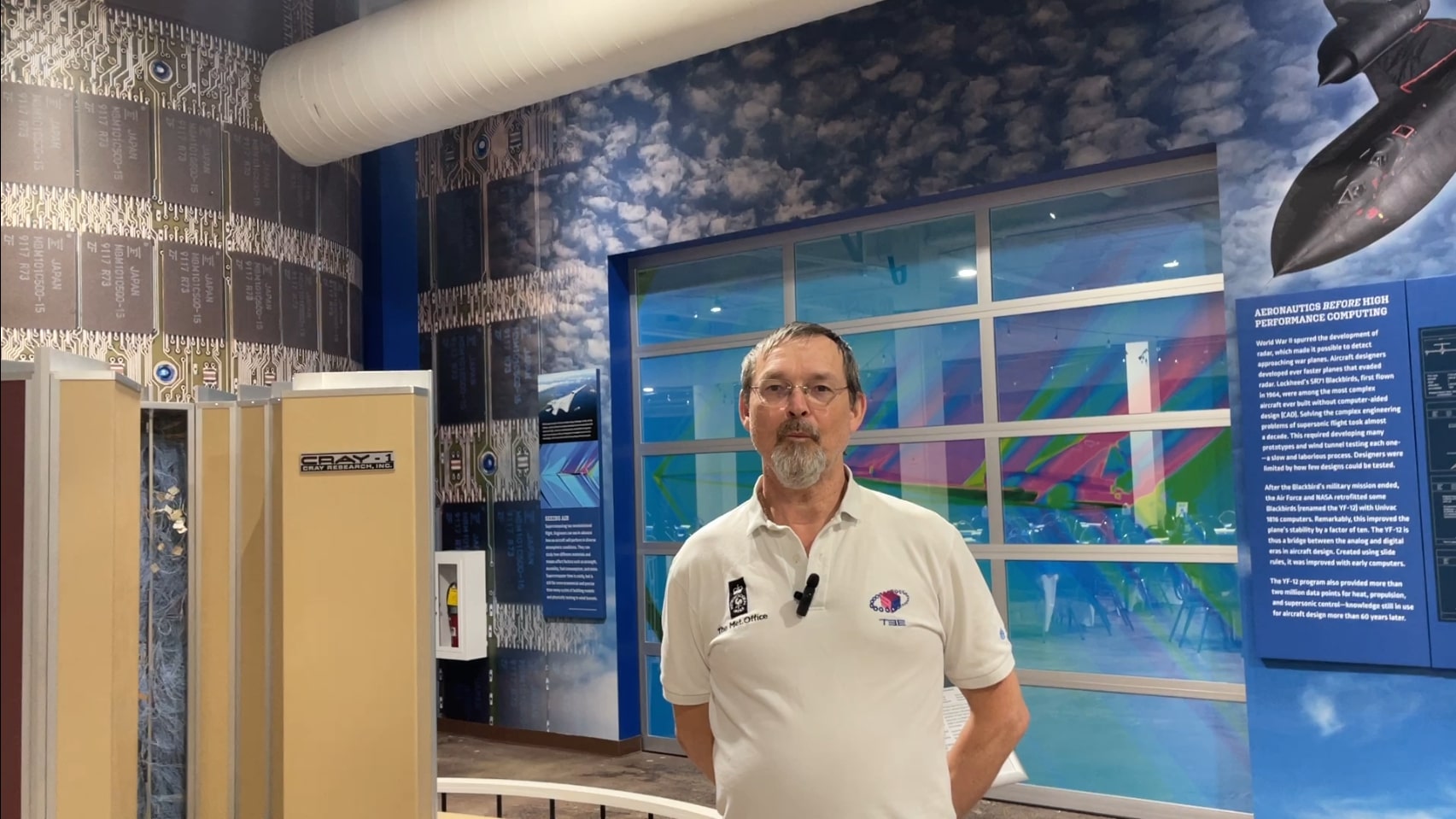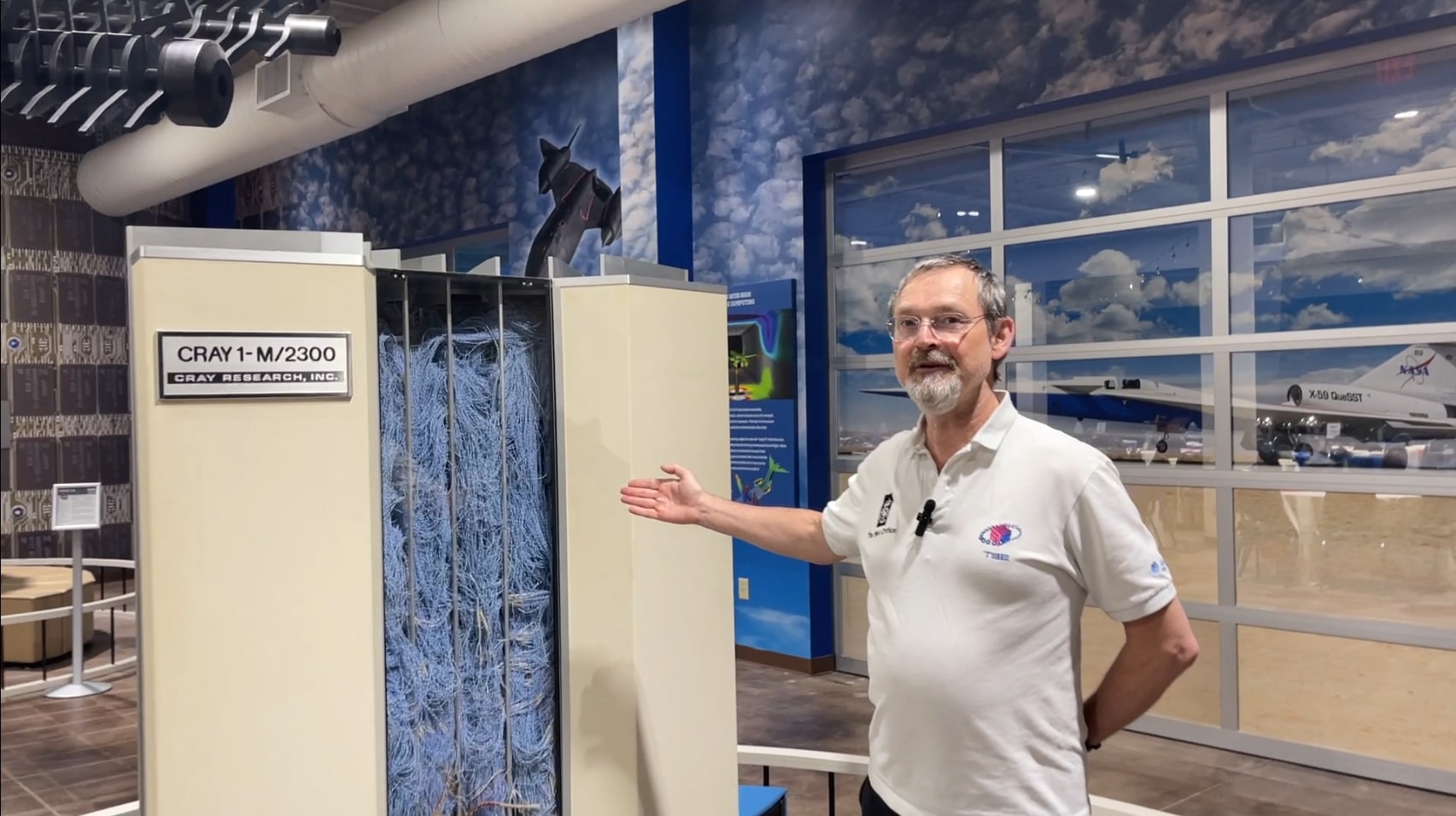
Cray Research Inc.
Cray-1A





The First True Supercomputer
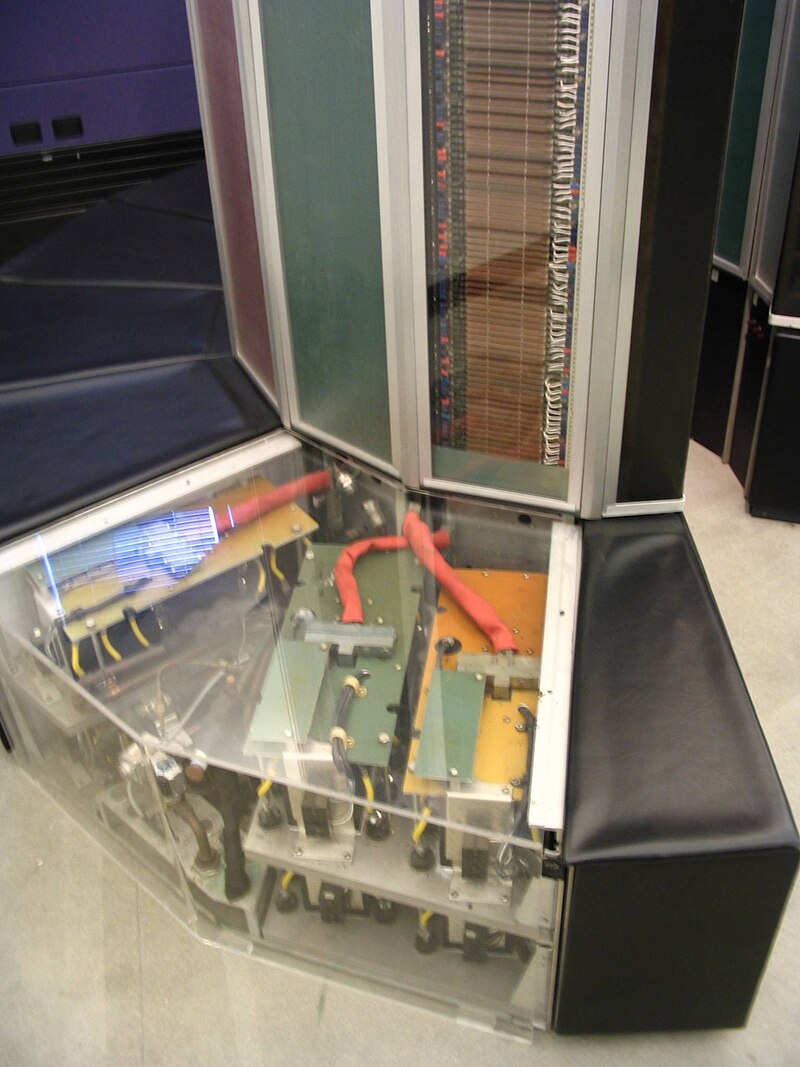
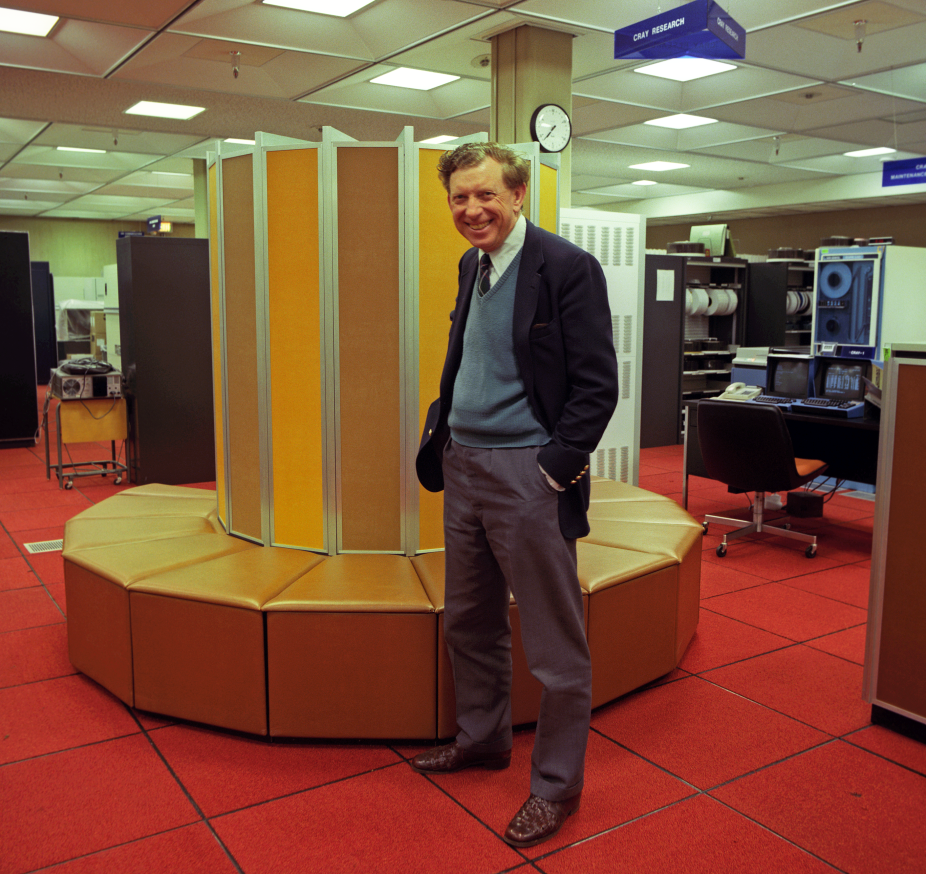
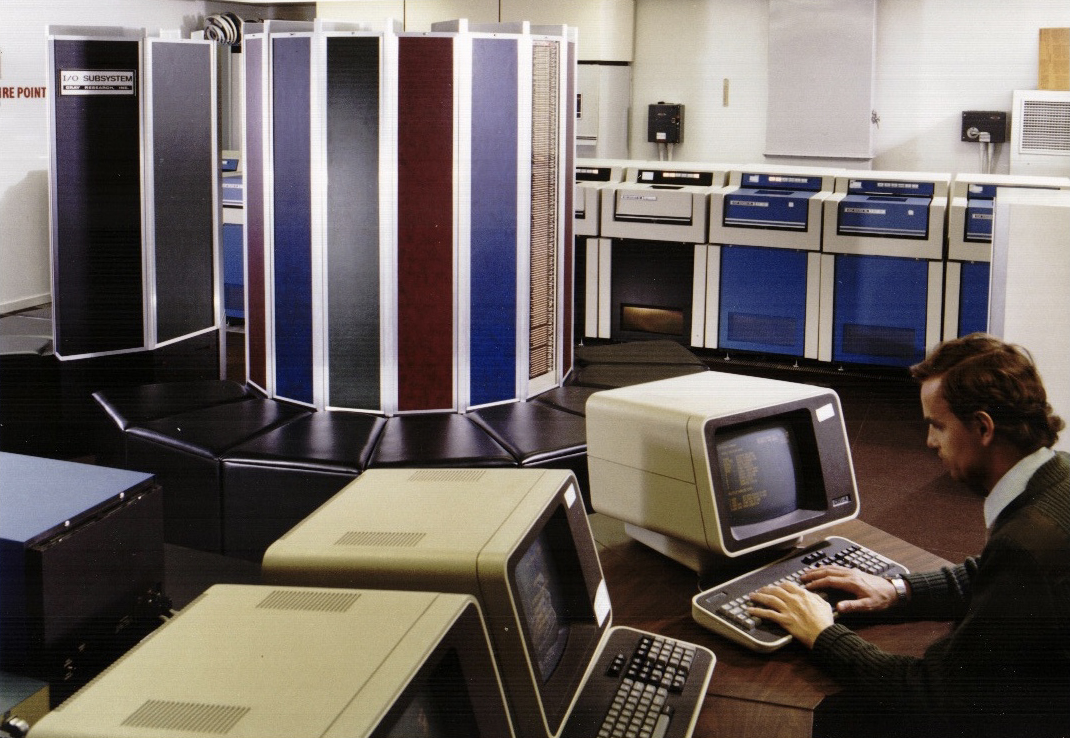
The Cray-1A was a later version of the Cray-1, the first Cray supercomputer created by Cray Research in 1975. As the first vector processor supercomputer, the Cray-1A performed operations on multiple data values simultaneously and was faster than earlier supercomputers.
Over its lifetime, Cray sold 80 Cray-1s, making it one of the most successful supercomputers ever made and proving that there was government demand for supercomputing at any price.
To learn more:

The First True Supercomputer
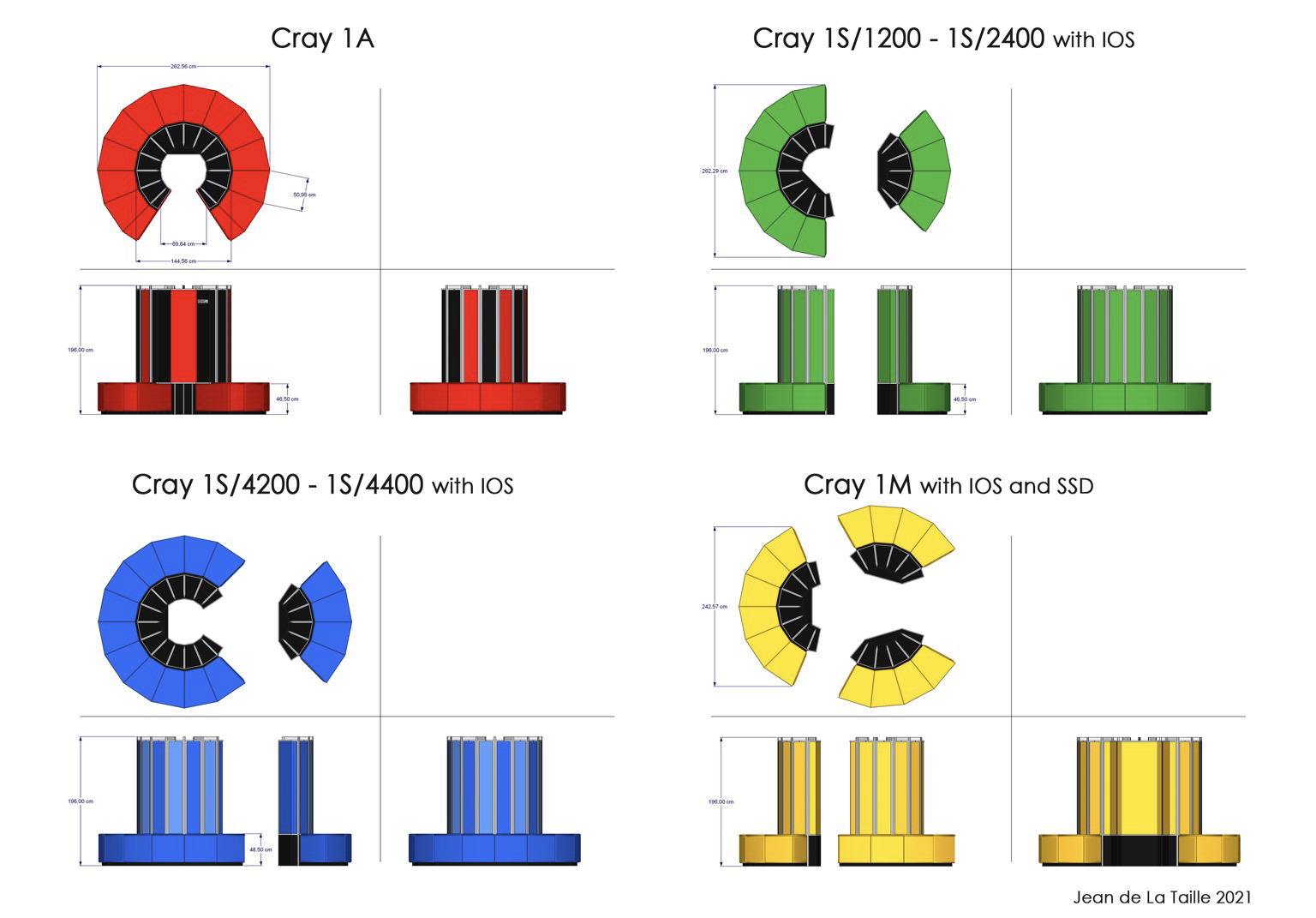
The Cray-1A included several unique features that set it apart from other supercomputers of the time. It featured a unique C-shape design that enabled faster speeds due to shorter wires. It was also the first supercomputer to use integrated circuits. However, the Cray-1A predates microprocessors that power most modern devices, using high-speed transistors instead.
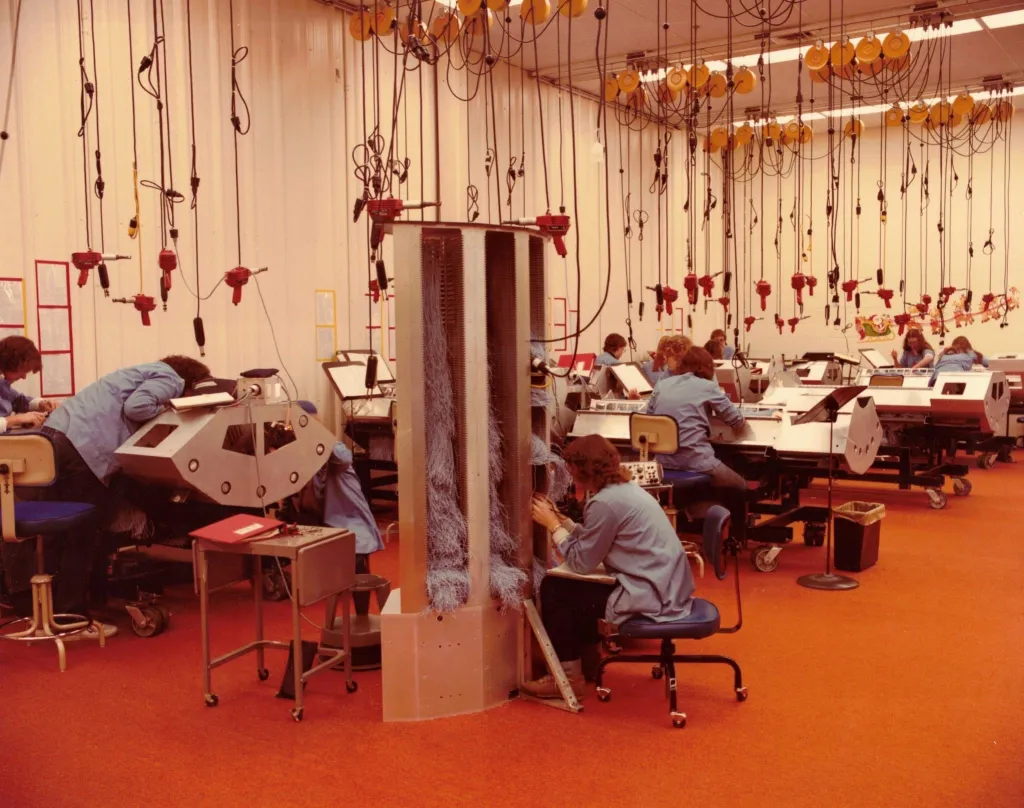
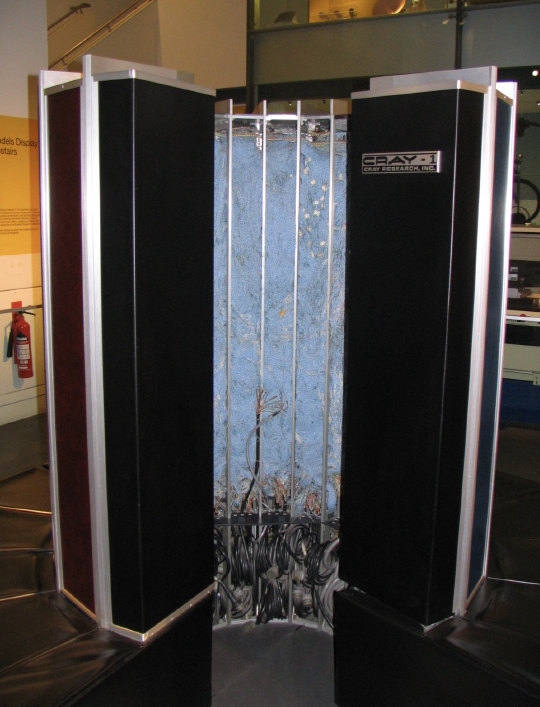
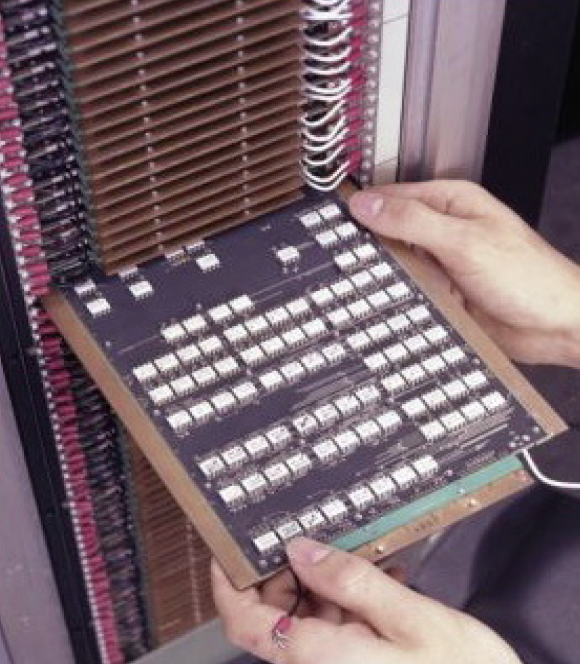
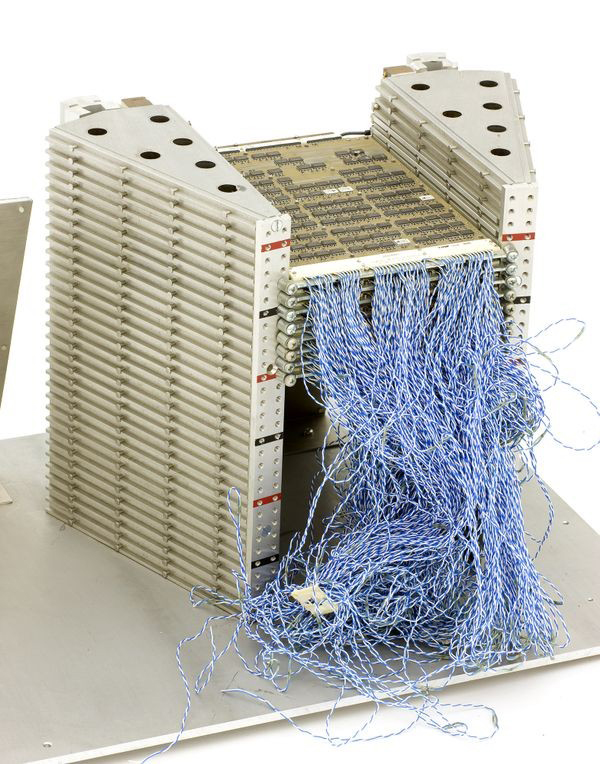
The hundreds of circuit boards had transistors soldered in grids, which were wired together manually by workers trained in textiles.
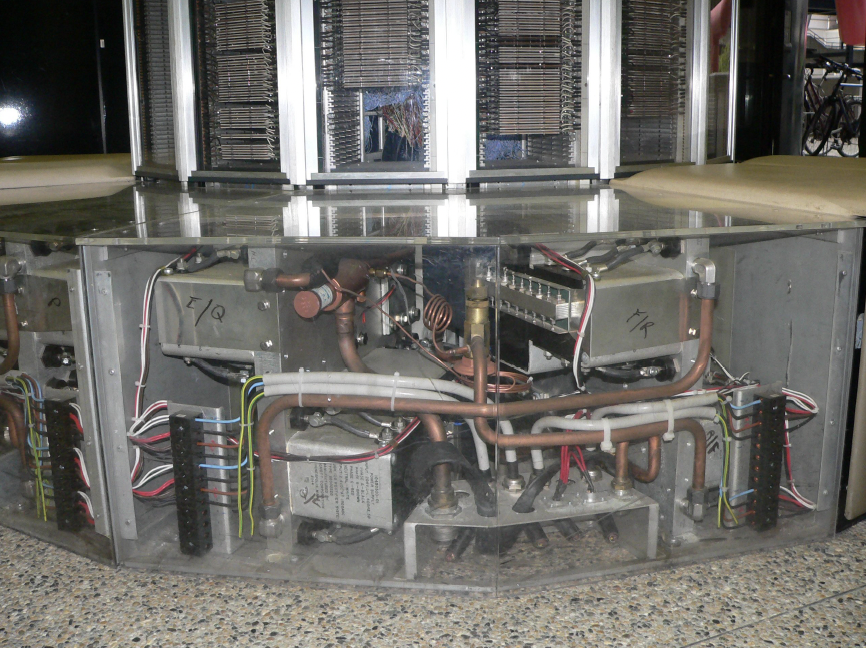
To cool the system enough to obtain peak speeds of 160 megaflops, the Cray-1A design used freon gas circulated through metal tubing that ran behind the circuits. Company founder Seymour Cray focused on maximizing speed over reliability, so the Cray-1A operated just 96 hours between hardware faults.
To learn more:

IMAGES





CLOSER LOOK

VIDEOS